
Parking Barrier: What It Is and How It Works
A parking barrier is a vehicle access control device that releases or blocks the passage of vehicles at an entrance or exit. It generally uses a movable boom driven by a motorized mechanism and can operate independently or integrated with an access control system. It is common in commercial parking lots, condominiums, companies, hospitals, logistics centers and industrial facilities.
How does an automatic barrier gate work?
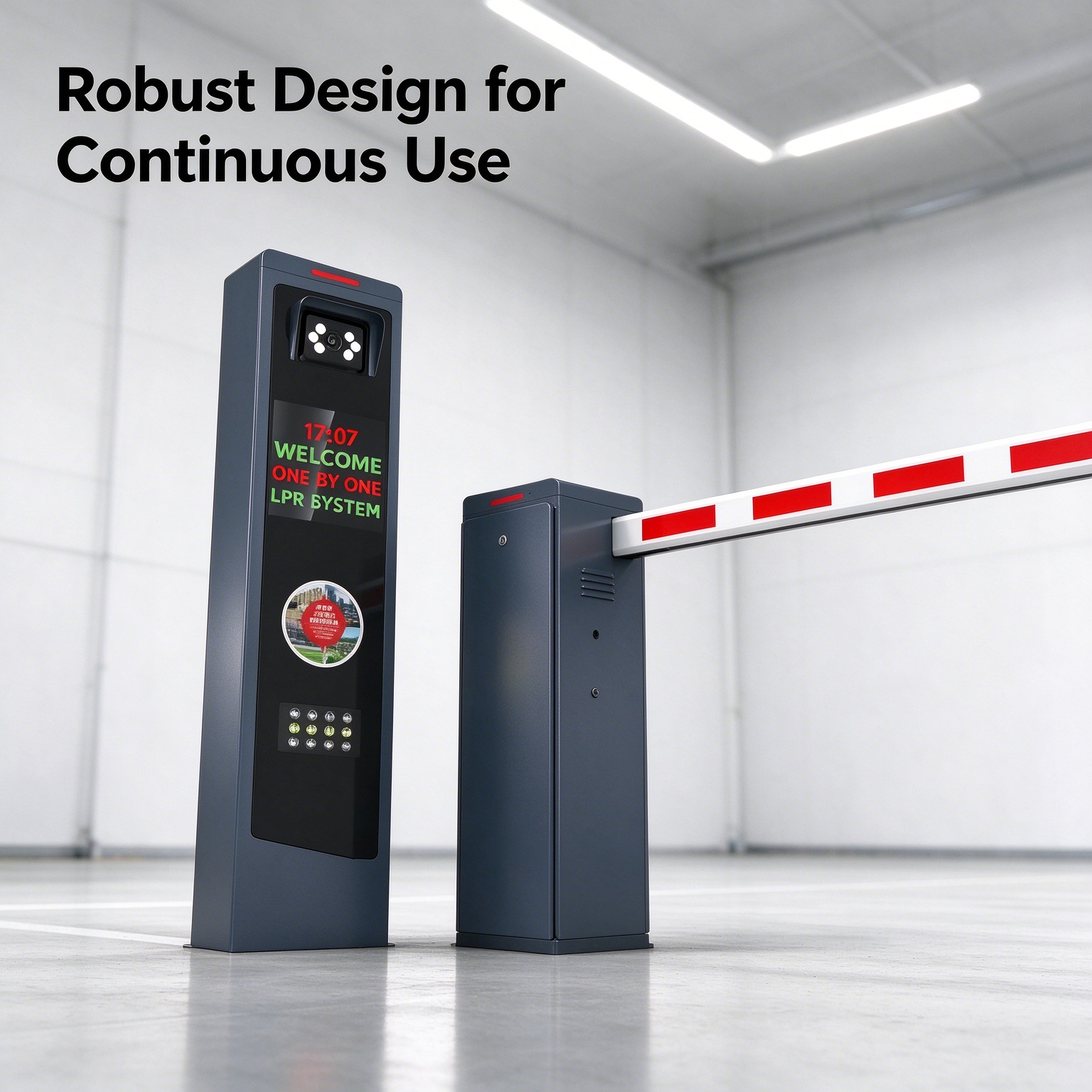
The process begins when the system receives an access authorization. The command can come from a remote control, RFID card or tag, intercom, push button, payment terminal or license plate recognition system — provided the devices are compatible. The controller processes the signal and activates the mechanism to raise the boom. After the vehicle has passed, a closing command returns the boom to the blocking position, according to the installed configuration.
The cycle and performance vary depending on the model, boom length, configuration and connected accessories. Before purchasing, check the datasheet for opening and closing speed, maximum permitted length, duty rating and control interfaces.
What are the main components?
A typical installation may include the motorized unit, the barrier boom, the electronic controller, command devices and safety accessories. Depending on the project, presence sensors, inductive loops, photocells, traffic lights, signage, RFID readers or license plate recognition cameras may also be used. The composition should be defined according to vehicle flow, entrance geometry and site risks.
Types of parking barriers
Straight boom barrier
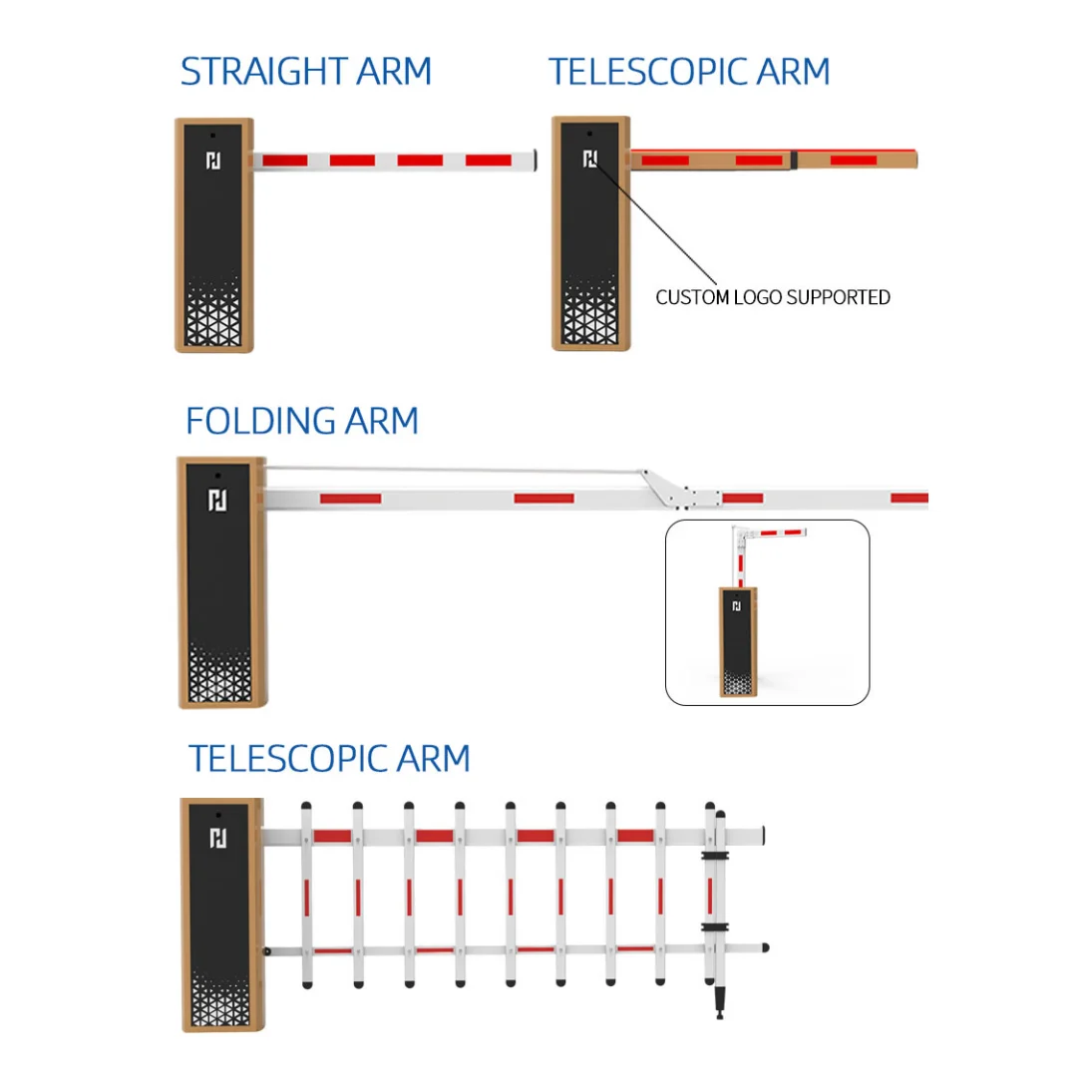
The straight boom barrier is common at entrances with enough clear height for the boom to rise without hitting ceilings, signs or other structures. It can serve parking lots, corporate accesses and controlled areas. The length should be chosen considering the usable lane width, traffic islands, guard booths and the passage of larger vehicles.
Articulated or folding boom barrier
The articulated boom can be an option where height is restricted, such as covered garages, low ceilings or structures close to the opening path. Suitability depends on the model and the actual site conditions; confirm the dimensions and movement space with the supplier.
Other configurations
Some projects may require signaling accessories or specific boom configurations. Availability varies by product; do not assume that a feature or accessory is compatible without checking the official documentation for the model.
Where is a barrier used?
- Commercial parking lots: organizes entrances and exits and can integrate with ticket or payment systems.
- Residential condominiums: helps restrict passage to residents and authorized visitors.
- Companies and commercial buildings: controls the flow of employees, service providers and visitors.
- Industrial and logistics facilities: helps organize the flow of trucks and service vehicles.
- Hospitals, universities and public spaces: can be part of a broader access control strategy, in line with local rules.
Integration with license plate recognition (LPR/ANPR)
A license plate recognition system can identify a vehicle and send an authorization request to access control. When the plate is validated according to the configured rules, the controller can command the barrier to open. The integration depends on compatibility between camera, software, controller and barrier mechanism, as well as correct installation and configuration.
In Brazil, evaluate recognition against local plate formats, lighting, capture angle, vehicle speed and network quality. Also define how data will be handled and protected, considering the LGPD (Brazil's data protection law) and the policies applicable to the site.
Safety: what to check?
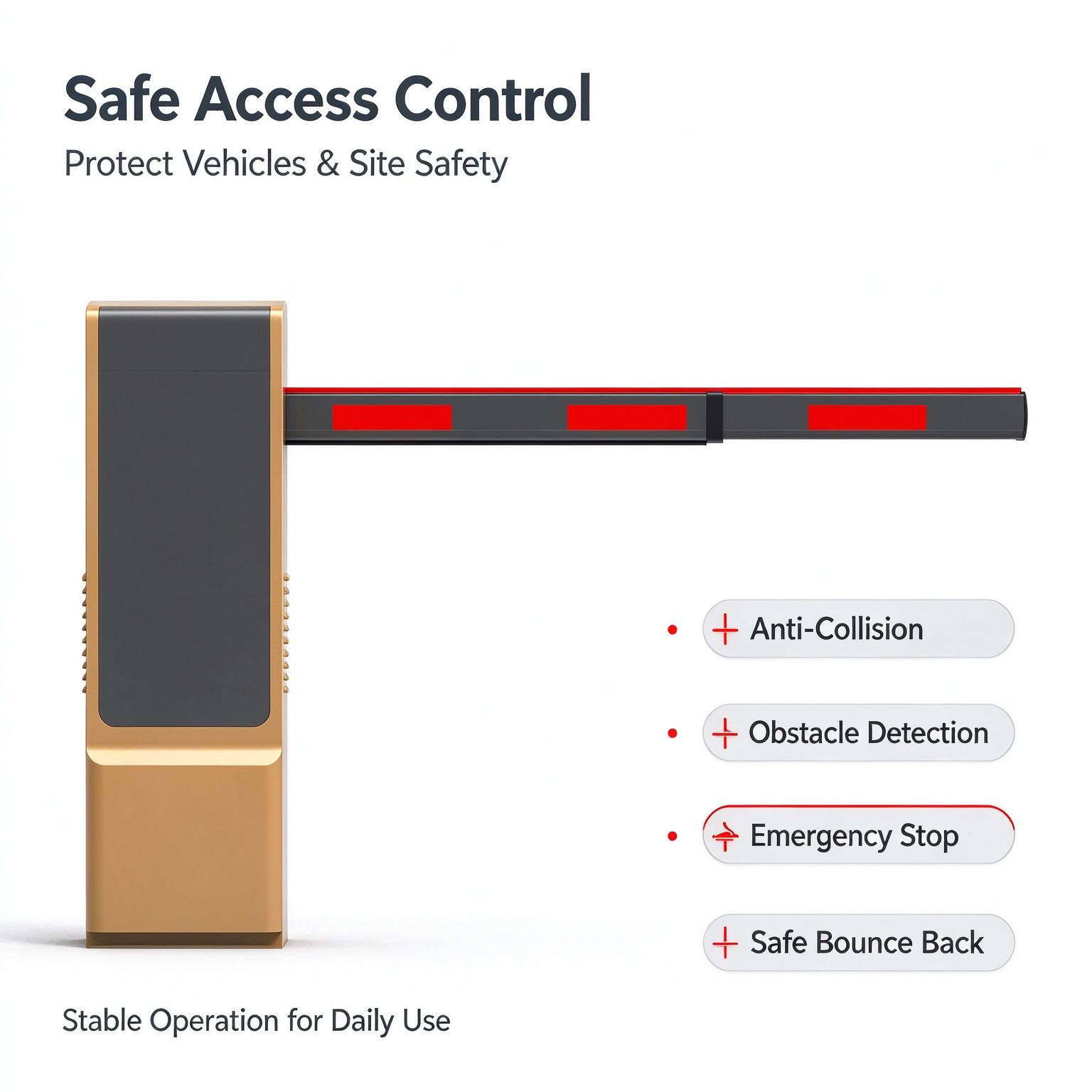
The barrier must be installed as part of a safe design, with visible signage, an unobstructed movement area and defined procedures for manual or emergency operation. Sensors, photocells and inductive loops can help detect vehicles, but their availability and function vary by system. Check compatibility, installation, testing and maintenance; no accessory should be treated as an automatic guarantee of safety.
How to choose the right barrier?
- Define the application: parking lot, condominium, company, industry or logistics.
- Measure the lane and clear height: confirm the passage width and the boom movement space.
- Estimate the flow: assess the vehicle volume at peak times and compare it with the model specification.
- Choose the authorization: remote control, RFID, intercom, ticket or LPR, according to compatibility.
- Plan safety: determine the sensors, signage and procedures required for the site.
- Consider the environment: rain, dust, temperature, sun exposure and electrical protection.
- Confirm maintenance and support: check documentation, warranty, spare parts and technical assistance.
How to evaluate a BAROXON solution?
BAROXON can be evaluated as a potential supplier of vehicle barriers if the model available in the Brazilian catalog meets the dimensions, traffic flow, safety requirements and interfaces of the project. Before specifying or purchasing, consult the product pages at [baroxonlpr.com](http://baroxonlpr.com) and request the updated datasheet to confirm which features are actually supported.
Frequently asked questions
Are parking barrier and automatic barrier gate the same thing?
In everyday Brazilian usage, the terms can overlap. "Parking barrier" highlights the application, while "automatic barrier gate" emphasizes the motorized drive. To compare products, prioritize the datasheet and confirmed features.
Can a barrier work with license plate recognition?
Yes, if the camera, software, controller and barrier are compatible and correctly configured. Confirm the integration with the supplier and test it under the site's real conditions.
Which is better: straight or articulated boom?
A straight boom is usually suitable where there is enough vertical space; an articulated boom can be considered where height is limited. The decision should be based on site measurements and the model specifications.
What should be provided to request a quotation?
Provide the lane width, the clear height, the estimated flow, the installation environment, the desired authorization method, the safety requirements and the systems that need to be integrated.
Conclusion
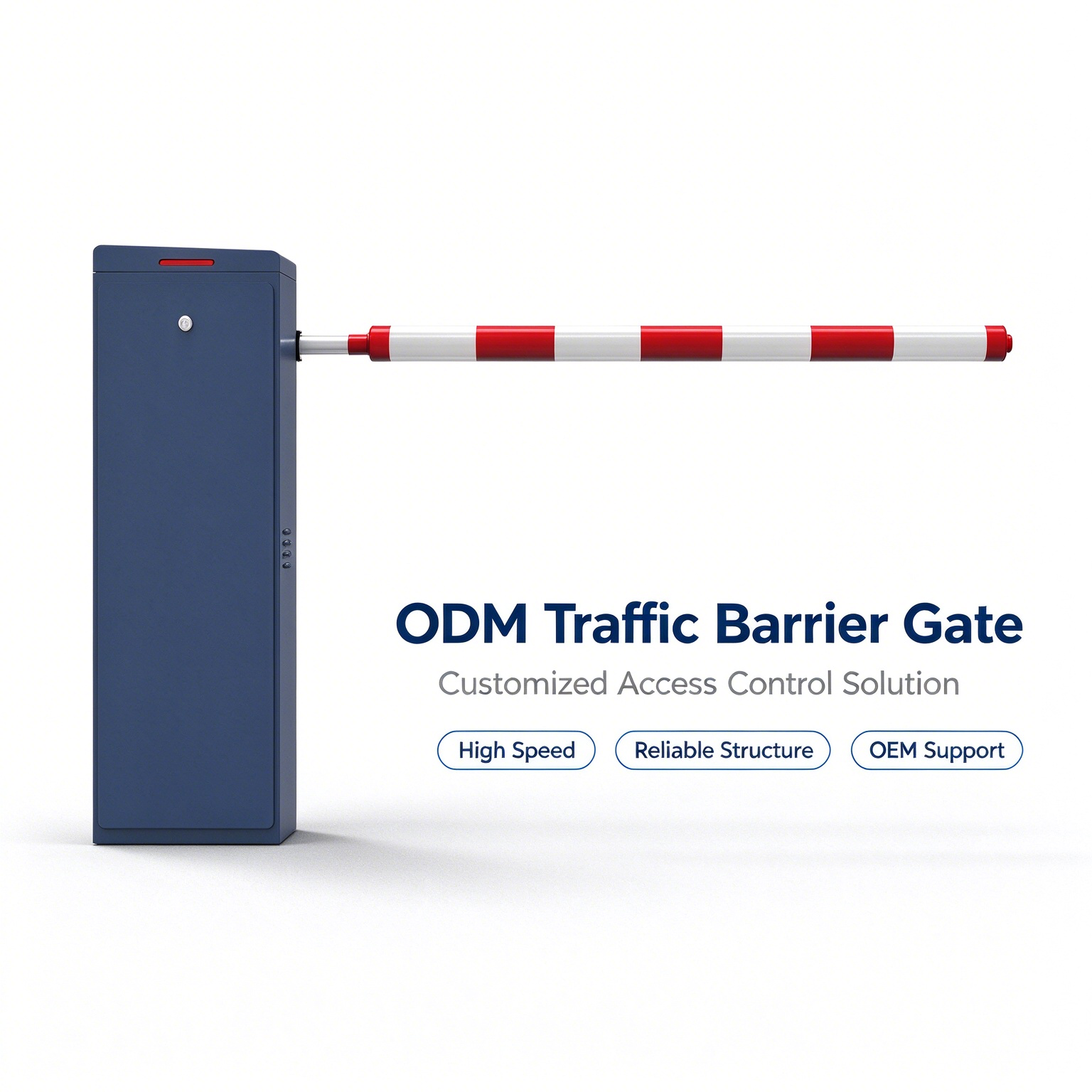
A parking barrier combines a physical barrier with a drive mechanism and, where required, an authorization system to control the passage of vehicles. The right choice depends on the dimensions of the entrance, the traffic flow, the environment, the integrations and the safety requirements. Compare models based on verified datasheets and plan installation and maintenance from the start.