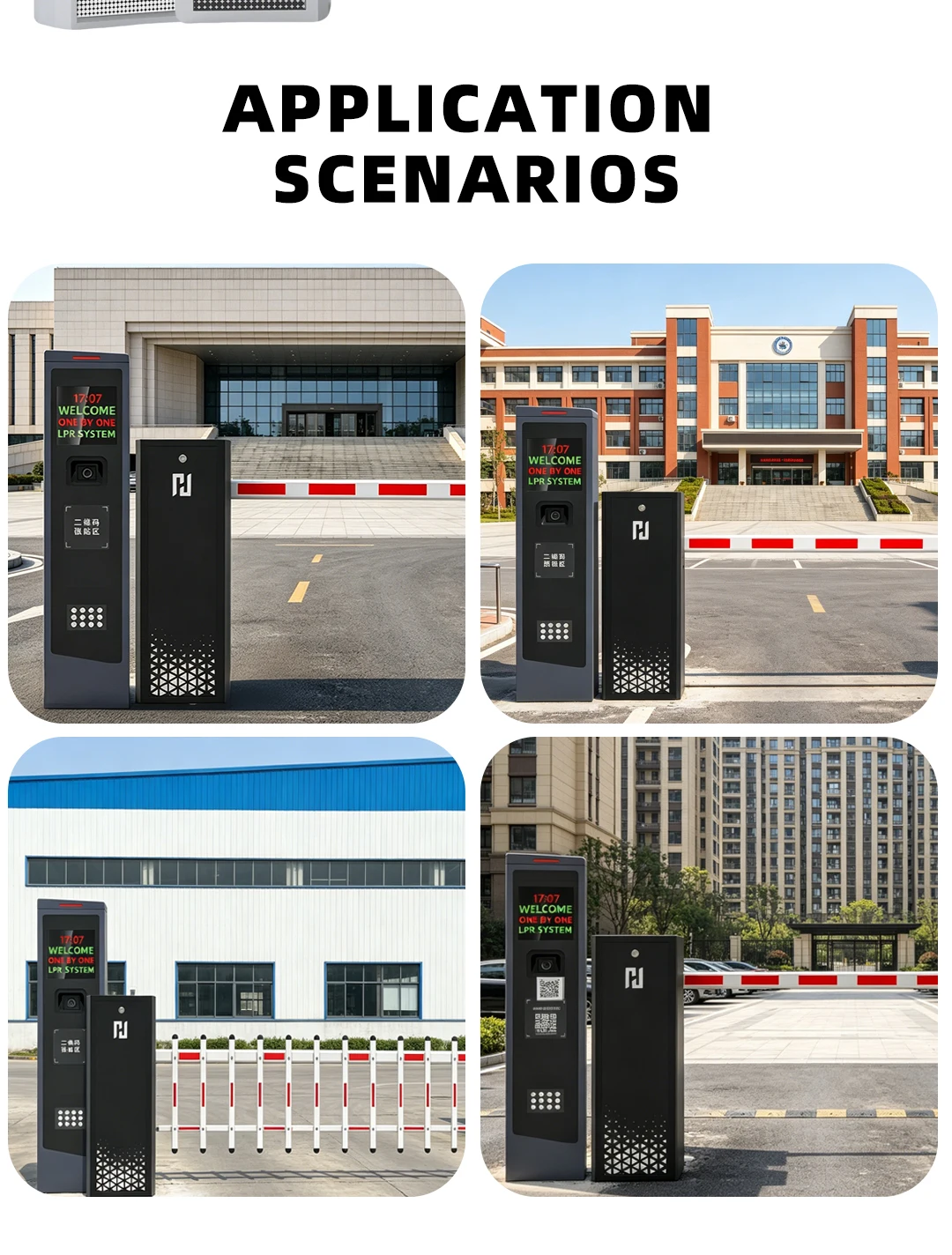
Best Barrier Gate for a Small Car Park
Quick answer: the best barrier gate is the one that matches the space and the vehicle flow
For a small parking facility, the best automatic barrier gate is not necessarily the most powerful or the fastest. It is the one that fits the entrance width, the clear height, the number of vehicles per hour, the access control method and the site's safety needs. A residential condominium garage with moderate traffic may require a different configuration from a commercial parking lot with frequent entries and exits.
Before choosing a model, measure the entrance, observe how cars approach and stop, estimate peak-hour traffic and define how each driver will be authorized to enter. Then compare the official specifications of the available models and confirm which accessories and functions are included in the proposal.
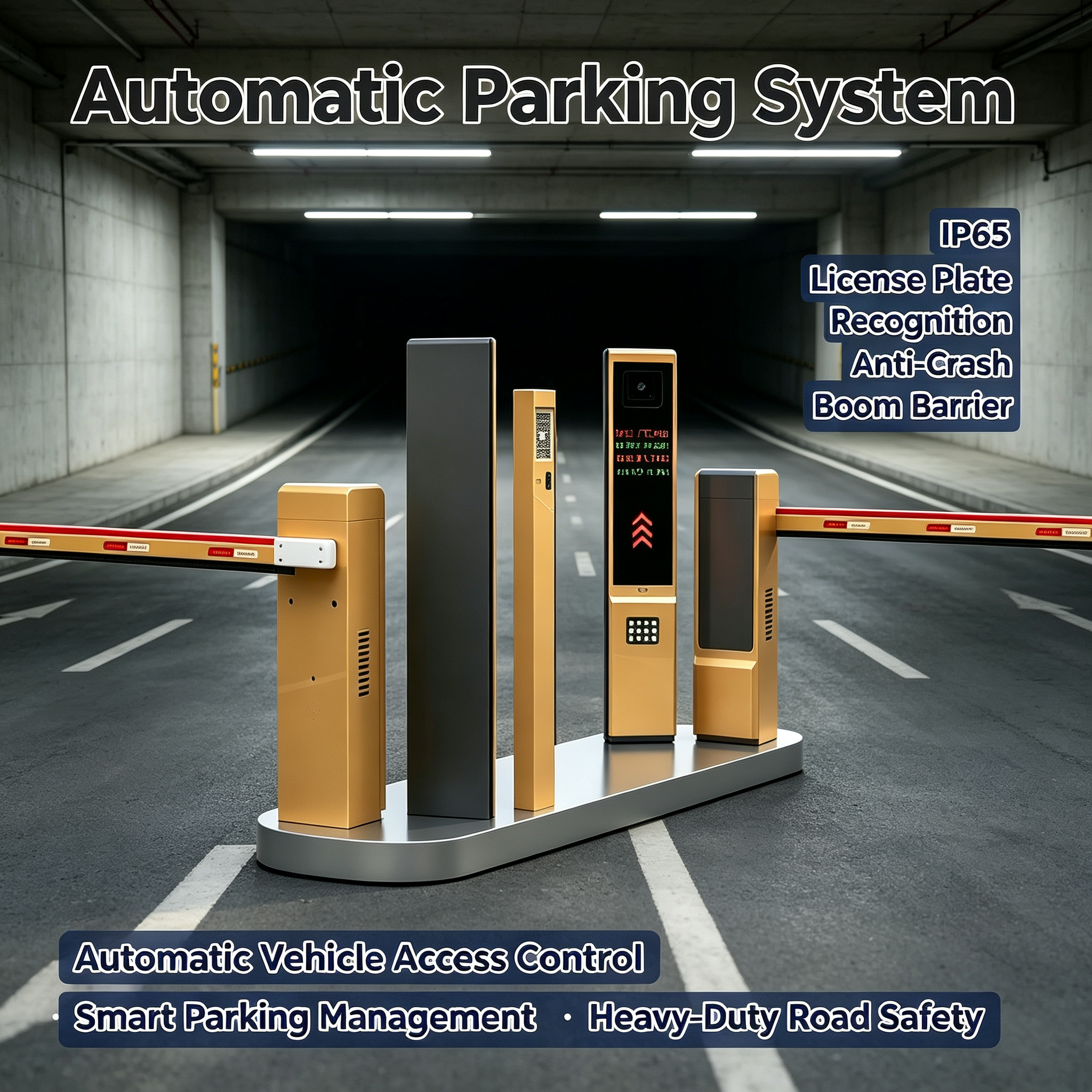
1. Define the type of parking facility and the traffic volume
The first criterion is understanding how the parking facility will be used. A small residential garage, a clinic, an office or a retail store parking lot may have the same number of spaces but different circulation patterns. Consider the number of entries and exits per hour, the busiest times, the presence of visitors and the potential for future growth.
Check the duty rating indicated by the manufacturer for each model. Do not choose on advertised speed alone: real access performance also depends on the identification method, controller response time, network connection and queue organization. For sites with concentrated peaks, evaluate the complete system.
2. Measure the passage width and the installation space
Measure the usable lane width and identify columns, walls, curbs, gates, piping and other nearby obstacles. Confirm where the barrier base can be installed, in which direction the boom will open and whether there will be room for maintenance. The configuration must allow vehicles to pass without the boom or cabinet interfering with circulation.
Do not size the boom based on the nominal entrance width alone. The choice must consider the actual movement area, the fixing conditions and the dimensions permitted by the model. Avoid modifying the boom without technical approval from the manufacturer.
3. Choose between straight and articulated boom
Straight boom
A straight-boom barrier gate may be suitable where there is enough space for the boom to open and close without obstacles. It is important to confirm clear height, lane width and the boom's full travel before installation.
Articulated or folding boom
Where there is a low ceiling, an overhead structure or a vertical limitation, an articulated boom may be considered, provided this option is available for the chosen model and approved by the manufacturer for the application. Compare the space required for opening with the actual site measurements.
No single boom type is best for every small parking facility. The decision depends on the entrance geometry, the clear height, the passage width and the equipment's official specifications.
4. Consider the access control method
Choose the authorization method according to the user profile and the parking facility's routine. Depending on the compatible equipment, access can be controlled by remote control, push button, intercom, RFID card or tag, ticket, mobile app or automatic license plate recognition (LPR/ANPR). Some methods require additional readers, cameras, software or licenses.
In a small residential garage, prioritize a simple experience for residents and visitors, with clear rules for temporary access. In a commercial parking lot, also consider ticket handling, payment validation or integration with the management system, if these functions are part of the project.
If license plate recognition is used, confirm compatibility between camera, software, controller and barrier gate. Test reading under real lighting and angle conditions, and establish a fallback procedure for reading or connection failures.
Where personal data associated with plates and access times is processed, assess the applicable obligations under the LGPD (Brazil's data protection law), including purpose, access, retention and protection of records.
5. Do not cut corners on the safety assessment
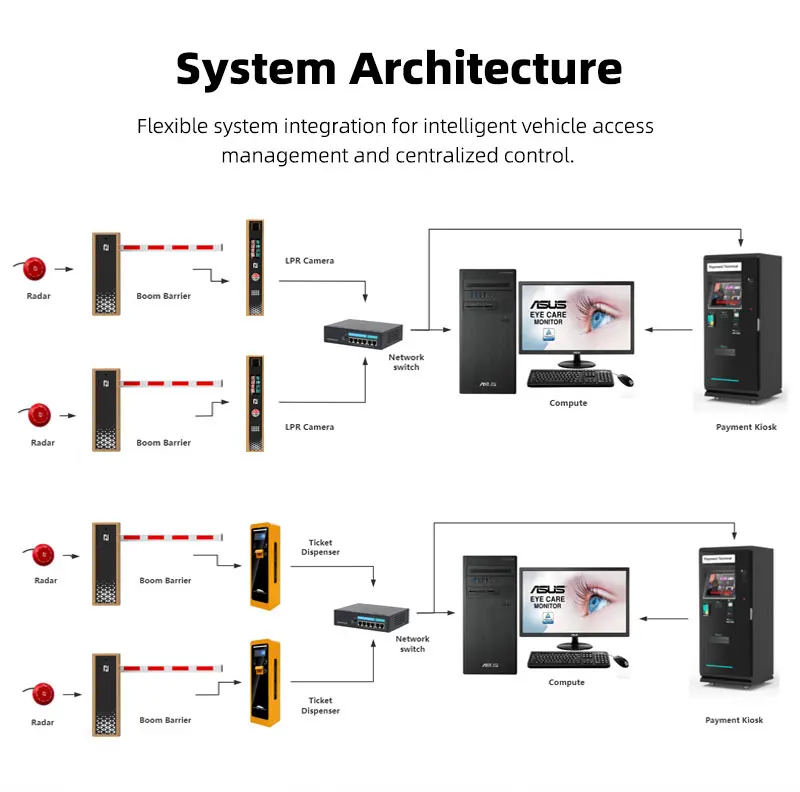
Even a small parking facility needs an adequate safety strategy. Assess the need for photocells, presence sensors, inductive loops, radars, warning lights and other compatible devices. The selection depends on vehicle flow, lane width, pedestrian circulation and the risks identified on site.
Check whether drivers can see the barrier gate in advance and whether vehicles can stop without blocking the sidewalk or the street. On ramps or curves, assess visibility, stopping distance and sensor position. Devices and testing must follow the manufacturer's instructions and applicable standards.
A barrier gate does not replace signage, lighting, traffic organization or operating procedures. Consider these elements together to reduce risks for vehicles and pedestrians.
6. Check environmental conditions and power supply
Observe whether the equipment will be exposed to rain, dust, humidity, frequent washing or flood risk. Even in covered areas, seepage and condensation can occur. Compare the actual conditions with the protection rating and environmental limits documented for the model.
Confirm the supply voltage and frequency, grounding, electrical protection, cable routing and the space required for the controller. Installation must be carried out by qualified professionals and in accordance with the manufacturer's specifications and applicable local standards.
7. Assess maintenance, warranty and total cost
The initial price is only part of the cost. Compare the equipment, the boom, the safety devices, the readers, the accessories, the installation, the software integration and the planned maintenance. Request a proposal that clearly separates included items from optional ones.
Ask which preventive inspections are recommended, which parts are subject to wear and how to request technical assistance. Confirm warranty terms, spare parts availability and expected response time, without assuming these conditions are the same for every supplier.
For a small parking facility, ease of maintenance is especially important: a single failure can affect a significant share of the operation. Plan a temporary entry and exit procedure for maintenance or downtime periods.
8. How to evaluate a BAROXON barrier gate
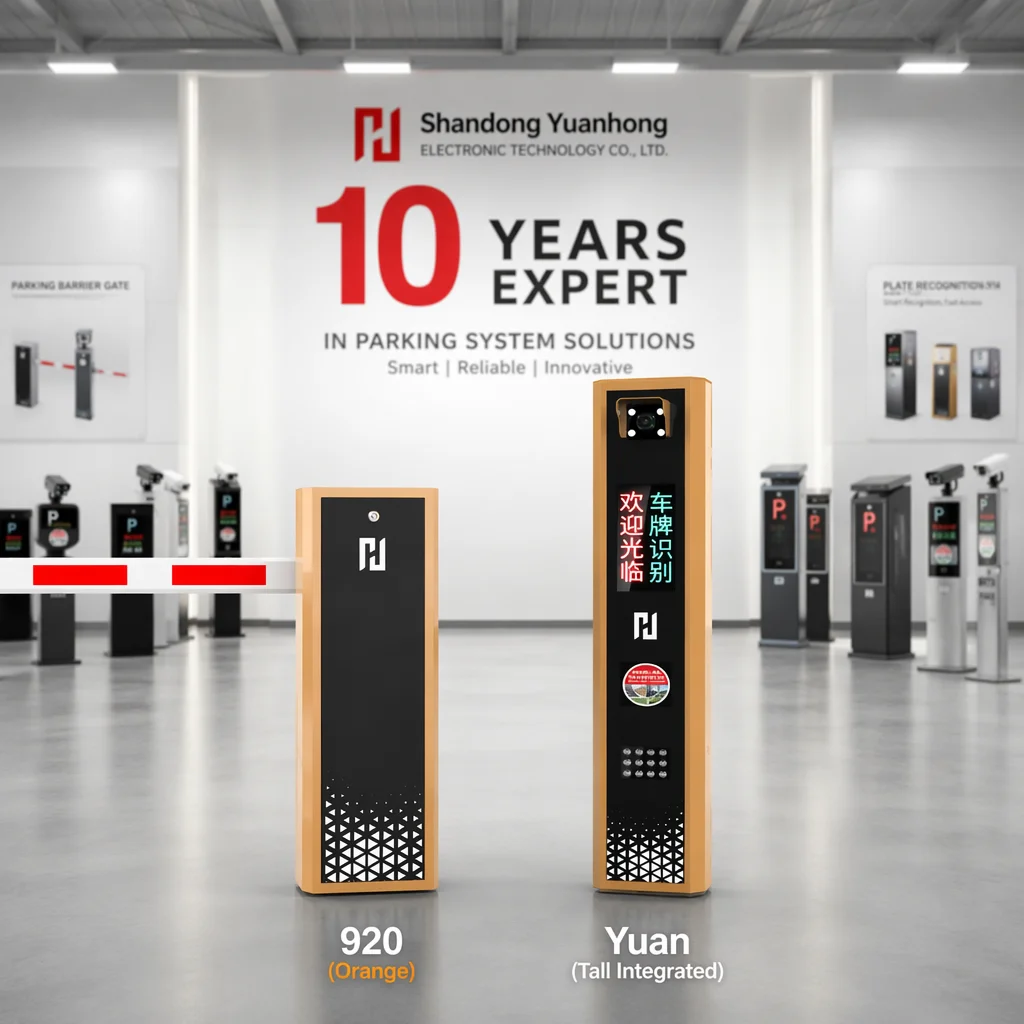
When considering BAROXON, consult the models actually presented in the official catalog and request the current datasheet for the desired configuration. Compare the documented data with the passage width, the clear height, the frequency of use, the installation environment and the access control method.
Before completing the purchase, ask for written confirmation of the compatible boom length, the duty rating, the recommended safety devices, the available interfaces, the installation requirements and after-sales support. Confirm each feature for the chosen model; do not assume that all accessories or functions are included with every unit.